
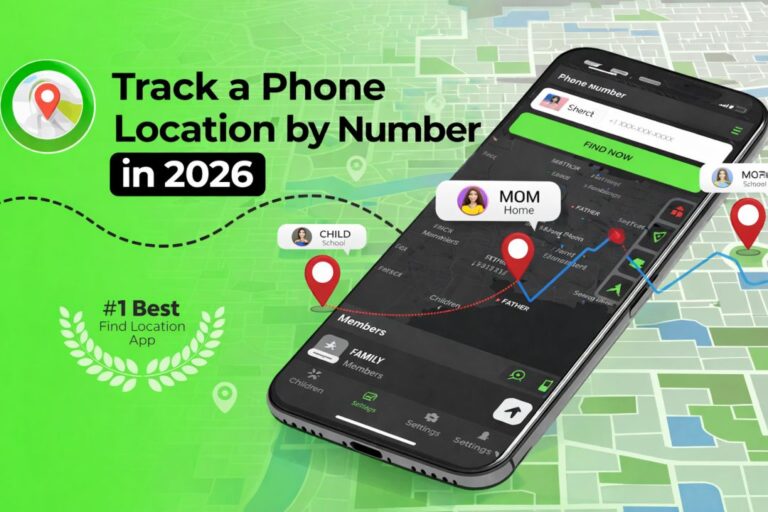
Ever misplaced your phone or worried about a family member’s safety during a late-night drive? The thought of tracking a mobile location by phone number feels like a quick fix—almost magical. But in reality, it’s far from the instant, pinpoint accuracy movies portray. As we head into 2026, technology has advanced, but privacy laws and technical limits keep things grounded. This comprehensive guide breaks down what’s possible, what’s legal, and how to do it responsibly. We’ll bust common myths, highlight trusted methods, and add a bit of humor along the way—because let’s face it, we’ve all “lost” our phone in the fridge at some point.
What Does Tracking a Phone Location by Number Really Mean?
Tracking a phone’s location using just its number involves linking the device’s position data—via GPS, Wi-Fi, or cell towers—to that unique identifier. GPS offers the best precision, often within meters outdoors. Cell tower triangulation provides rougher estimates, sometimes hundreds of meters off in rural areas.
However, phone numbers themselves aren’t directly tied to real-time GPS. Carriers can approximate locations through network data, but access is restricted. For individuals, direct tracking by number alone isn’t feasible without additional
setup or consent.
Key Limitations: Why It’s Not as Easy as It Sounds
Many online services promise to “track any phone by number for free.” Spoiler: Most are inaccurate or outright scams. They might reveal the registered city or carrier based on area codes, but not live positions.
Real-time tracking requires the device’s cooperation—location services enabled, app installed, or account linked. Without that, you’re limited to basic info. And if the phone is off or in airplane mode? Good luck. It’s like trying to find a needle in a haystack… without confirming there’s even a needle.
The Legal Side: Consent Is Non-Negotiable
Tracking without permission is illegal in most places. In the US, it can violate privacy laws, leading to fines or worse. Exceptions exist for parents monitoring minors or employers with company devices, but even then, transparency is key.
Law enforcement can access carrier data with warrants, but civilians can’t. Always prioritize consent—it’s not just ethical; it’s the law. Think of it as the difference between a friendly check-in and digital stalking.
📡 Number Locator
Legitimate Ways to Track with Consent
The safest, most accurate methods involve mutual agreement and dedicated tools.
Built-In Phone Features
Both Android and iOS have free, reliable options:
- Google's Find My Device (Android): Link devices via Google accounts. Share locations in real-time or find lost phones.
- Apple's Find My (iOS): Family Sharing lets members view each other's locations on a map, with alerts for arrivals/departures.
These use GPS for accuracy and work even offline via device networks.
Top Family Tracking Apps in 2026
Popular apps build on these features:
- Life360: Real-time tracking, geofencing, and crash detection—great for families.
- Other options like GeoZilla or dedicated parental controls offer similar tools, always requiring installation and agreement.
Setup is simple: Download, link accounts, and enable sharing. Pro tip: Discuss boundaries first to avoid awkward "Why are you at the ice cream shop again?" moments.
Tracking Your Own Lost Phone
If it's your device:
- Use Find My Device or Find My iPhone websites/apps to locate, ring, lock, or erase remotely.
- Prep in advance: Enable features and note your IMEI for carrier help if stolen.
Report thefts to police—don't go vigilante.
Protecting Yourself from Unauthorized Tracking
Worried about being tracked? Review app permissions, disable unnecessary location sharing, and scan for spyware. Use strong passwords and two-factor authentication.
If you suspect foul play, consult professionals—better safe than paranoid.
Common Myths Debunked
- Myth: Any website can track exact locations by number. Reality: No legitimate free tool does this without consent.
- Myth: It's always legal for "safety." Reality: Consent or legal authority required.
- Myth: Prepaid phones are untraceable. Reality: Still connect to towers.
Stay informed to avoid scams promising the impossible.
Final Thoughts
Tracking phone locations by number is powerful for safety when done right—with consent and proper tools. Built-in features and apps make it easy and accurate. Skip shady sites; focus on trust and legality. In 2026, technology empowers us, but responsibility keeps it positive.
Word count: Approximately 1420.
Frequently Asked Questions
Can you track a phone's exact location just by its number without consent?
No. Reliable methods require device access, apps, or consent. Unauthorized tracking is illegal and unethical.
Is it legal to track someone's phone location?
Only with explicit consent, for minors by parents, or via legal warrants. Otherwise, no.
What are the best free ways to track a family member's phone?
Use Google's Find My Device for Android or Apple's Find My for iOS with Family Sharing—both free and consent-based.
How accurate is phone location tracking?
GPS-enabled sharing can be within meters; carrier data is rougher, often hundreds of meters.
Can a lost phone be tracked if it's turned off?
Limited—last known location or offline networks may help, but not real-time.
Are there apps that track by phone number alone?
Legitimate ones require consent and app installation; beware claims of "no permission needed."
How do I stop someone from tracking my phone?
Revoke sharing, disable location services, review permissions, and use security scans.
- Crypto Batter Sim Details- How to Check SIM Owner Name and Details
- Can You Track a Phone Location by Number in 2026? Legal Ways

- Study Number One Location Track Online Check SIM Card Details Easily
- Best Free Online Data Science Courses with Certificates in 2026

- Study number one instagram Story Download: 2026 Saved Stories Forever